

Did you know that the motorcycle, one of the most popular means of transportation in the world, was once a bulky “riding car” made of oak wood? We are returning to those dusty and smoky roads where modern speed machines evolved. So, who invented the motorcycle? The answer to this frequently asked question points to a long journey full of innovation and curiosity. In this article, following in the footsteps of Gottlieb Daimler, who is considered the inventor of the first modern and petrol-powered motorcycle, we will shed light on the invention and history of the motorcycle. We will explore how it evolved from motorized bicycles to today’s technological wonders alongside seasonal developments. So, get ready to dive into the dusty pages of history!
Definition and Importance of the Motorcycle
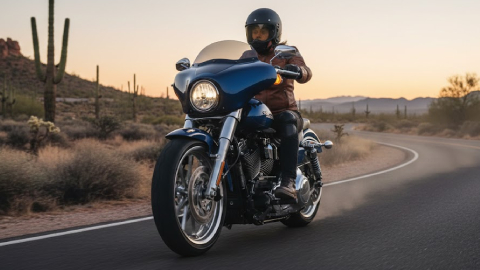
The motorcycle is defined as a two or three-wheeled motorized vehicle and has become an indispensable part of transportation throughout history. The history of the motorcycle stands out for providing significant convenience in people’s daily lives and representing freedom. On one hand, it stands out in urban traffic as a fast and practical means of transportation, while on the other, it opens the doors to enjoyable long journeys for adventure enthusiasts.
The invention and evolution of the motorcycle is an example of industrialization and modernization. Animal power, which was the backbone of transportation in the early periods, was replaced by engine technologies over time. This transformation process is not just a technological shift but also a social revolution. While motorcycles redefine the concept of independence for individuals, they also stand out with their potential to increase the quality of life in crowded cities.
Today, motorcycles are seen as more than just a means of transport; they are viewed as works of art where speed, aesthetics, and innovation merge. Motorcycle use, which is particularly popular among the younger generations, offers a unique experience that combines adrenaline and a sense of freedom. Additionally, issues such as environmental sensitivity and fuel economy further increase the importance of these vehicles. Produced in various functions and styles, motorcycles continue to be an indispensable part of the transportation system by appealing to the needs of all types of users.
Who Invented the Motorcycle: Gottlieb Daimler and Steam Pioneers
Looking at the history of the motorcycle, it is known that about 20 years before Daimler, in the 1860s, American Sylvester Howard Roper and Frenchman Pierre Michaux made attempts with steam power. Additionally, in 1884, Englishman Edward Butler presented a three-wheeled and petrol-fueled project called the “Velocycle.” However, Butler’s invention failed to achieve commercial success due to the strict traffic laws (Red Flag Act) and commercial misfortunes of the time in England.
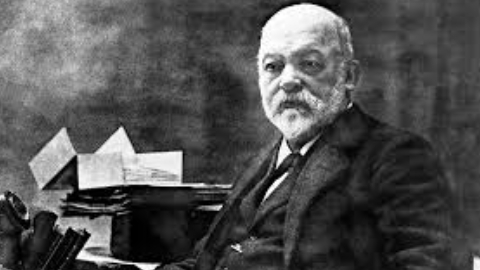
Gottlieb Daimler, who is accepted as the inventor of the first internal combustion engine motorcycle, developed the first petrol-fueled vehicle in 1885, which is considered the ancestor of the motorcycle today. Daimler’s success story began through his collaboration with engineer Wilhelm Maybach. This vehicle, which Daimler named the “Reitwagen” (Riding Car), was actually a platform designed to test the engine. Technically, it had a total of four wheels, including two small support wheels on the sides to provide balance; however, the idea of attaching an engine to a bicycle frame made it the first true motorcycle example in history.
The vehicle reached a speed of approximately 12 km/h. Since metalworking at that time was not flexible enough to carry a lightweight engine, the vehicle had a wooden frame made of oak and was equipped with an engine running on gas.
The Era of Motorized Bicycles and the Naming Fathers
The era of motorized bicycles is an important milestone in the history of the motorcycle. In the late 19th century, bicycles were equipped with engines to make them faster and more efficient. The vehicle produced by Hildebrand & Wolfmüller in 1894 is one of the biggest steps taken in this field. Although this model experienced commercial failure due to being quite heavy and expensive, it holds historical importance as the first mass-produced vehicle where the name “Motorrad” (Motorcycle) was registered.
The Origin of the Word “Motorcycle”
The term “motosiklet” entered Turkish from the French word “motocyclette.” However, the registration of this concept in global literature became official with the patent obtained by Hildebrand & Wolfmüller in 1894. Motorrad, formed by the combination of the word “Motor” and the German word for wheel, “Rad,” has become the universal name for this two-wheeled passion worldwide today.
The Role of Women in Motorcycle History
Motorcycle history does not consist only of male inventors. Women have played a major role in making motorcycles a symbol of freedom. For example, in 1915, Effie Hotchkiss crossed the entire USA (from New York to San Francisco) with her mother on a motorcycle with a sidecar, proving to the whole world that these vehicles were not just “toys for men” but a durable travel companion.
Technological Development of the Motorcycle: From Belt to Chain
The development of the motorcycle has undergone a tremendous transformation as a symbol of engineering and design. In early models, engine power was transmitted to the wheel via leather belts; however, these belts would slip in rainy weather, reducing performance. The transition to chain and shaft systems over time was a critical technical evolution that transformed the motorcycle from a “toy” into a “reliable transportation vehicle.”
At the beginning of the 20th century, motorcycles began to be equipped with more powerful and compact engines. Brands such as Harley-Davidson and Triumph pioneered significant innovations during this period. After the Second World War, motorcycles shaped by military needs became more durable. Japanese manufacturers, especially Honda, popularized the motorcycle for the masses with the “Super Cub” model launched in 1958. From the 1980s to the present, advanced technologies such as ABS braking systems, fuel injection, and electronic control systems have optimized performance.
Statistics and Concrete Data
We can better understand the development of the motorcycle world with these striking figures:
- Speed Revolution: While the first motorcycle in 1885 could only reach 12 km/h, today modern sports motorcycles can easily exceed the 300 km/h speed limit.
- Production Record: The Honda Super Cub model has been produced in more than 110 million units since 1958, holding the title of the world’s most-sold and most-produced motor vehicle.
- Environmental Impact: A modern motorcycle emits approximately 50% to 70% less carbon dioxide per mile compared to an average car.
The Birth of Motorcycle Culture: Just a Vehicle?
The historical development of the motorcycle brought with it a strong culture. Especially with the gathering of soldiers returning from the Second World War, motorcycle clubs were established, and the motorcycle became a symbol of “rebellion and freedom.” The Café Racer movement that emerged in 1960s England started the culture of customization by modifying standard bikes for speed. Today, the motorcycle represents a broad lifestyle, from clothing style to musical taste.
Motorcycles of the Future: The Electric Revolution
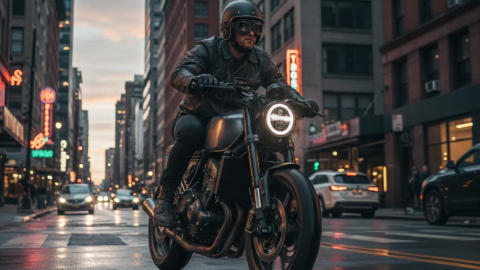
Much has changed since Gottlieb Daimler’s wooden-framed engine. Today, sustainability-focused electric motorcycles (E-motos) are creating a new revolution with their eco-friendly structures and instant torque power. Quiet riding experiences and digital screens integrated with smartphones constitute the latest and most technological link in the history of the motorcycle.
Milestones in Motorcycle History
| Year | Development / Event | Important Name / Detail |
| 1867 | First steam motorcycle attempt | Sylvester Howard Roper |
| 1885 | First petrol-fueled “Reitwagen” | Gottlieb Daimler & Wilhelm Maybach |
| 1894 | First mass production and name registration | Hildebrand & Wolfmüller (Motorrad) |
| 1903 | Founding of an iconic brand | Harley-Davidson |
| 1923 | First Boxer-engine BMW | BMW R32 (Design revolution) |
| 1958 | World’s most-sold model | Honda Super Cub (110 Million+) |
| 1980+ | Digitalization and Safety | Modern Manufacturers (ABS, Injection) |
Evolution of the Motorcycle in the Historical Process
The development of motorcycles has been a process of continuous transformation throughout its history. Initially emerging to reduce the need for pedal power in bicycles, these vehicles became an independent species over time. Significant progress in aerodynamic structure and engine power was recorded in the 1920s and 30s.
Models developed for the civilian market in the post-war period evolved to meet consumer demands in terms of comfort and style. The origins of today’s motorcycles are directly related to the innovative models produced in this period. From the inventor of the first motorcycle, Gottlieb Daimler, to the present day, motorcycles have undergone a massive transformation both technically and culturally, continuing to be a symbol of freedom.


Discover Dispatcharr: The Ultimate Open-Source IPTV and EPG Management Powerhouse
What is HAARP? Artificial Earthquakes Tesla’s Mysterious Legacy
Alibaba Issues Notice: Full Ban on All Anthropic Claude Series Models and Claude Code Programming Agent Effective July 10
OpenSquilla 0.4.0 Released: AI Coding Can “Self-Verify” for the First Time